“`html
How to Take Travel Photos Like a Professional
Travel photography allows us to capture the essence of places we visit and to share unique experiences. To achieve professional-quality travel photos, you must understand key elements such as light, composition, and equipment. This guide delves into these aspects, exploring how to utilize light and color effectively, master framing techniques, and pick essential gear. By the end of this article, you’ll gain insights that can elevate your travel photos, bridging the gap between amateur snapshots and captivating professional images.
A Guide to Travel Photography
Travel photography is a captivating blend of art and documentation that immortalizes the sights and experiences of different locales. Mastering the art requires an understanding of both technical skills and creative flair. This guide is intended to equip you with a deeper comprehension of the most crucial elements for producing stunning travel imagery, regardless of whether you’re exploring bustling cityscapes or serene landscapes.
The art of travel photography isn’t merely about having a good camera; it’s about capturing the soul of the places you visit. Through a keen eye for detail and an appreciation for the stories behind each frame, you can turn ordinary scenes into extraordinary visuals. Let’s dive into light and color, composition, and gear essentials to reveal professional techniques that can make your travel photos stand out.
Light and Color in Travel Photography
Weather and Light Conditions
The magic of any photograph starts with light. Understanding weather and light conditions helps photographers predict the ambiance and mood of their images. Early morning and late afternoon, known as the “golden hours,” provide soft, warm lighting that enhances colors and textures. On the other hand, midday sunlight can be harsh, casting strong shadows that may detract from an image’s allure.
Cloudy or overcast conditions often provide diffused light, which eliminates harsh shadows and can add mood to landscapes or portraits. By being mindful of the weather, you can use light to your advantage, adapting to create atmospheric and dramatic images that capture the eye and stir emotions.
Directions of Light
Photography is, at its core, the manipulation and capture of light. The direction from which light hits your subject can deeply affect how the photograph looks. Front lighting, where the light source is behind the photographer, is ideal for illuminating subjects evenly, though it can sometimes lead to flat images without depth.
Side lighting, however, introduces significant drama and contrast, revealing textures and forms and adding a three-dimensional quality to your photos. Backlighting, with the light source facing the photographer, can create silhouettes that convey mystery and beauty, especially at sunrise or sunset.
Color
Color is a powerful tool in photography, influencing mood and grabbing attention. The right use of color can turn simple photographs into works of art. When you travel, be observant of the colors in your environment. Whether it’s the vibrant markets of Marrakech or the calming hues of a Greek island sunset, colors tell stories.
Consider complementary colors that create a pleasing contrast, or analogous palettes that provide harmony. Understanding the color theory and using it to compose your shots will enrich your travel photography, helping to convey the story or emotion you intend.
Framing / Composition in Travel Photography
Be Clear About Your Subject
Every great photograph has a clear subject or focal point. As a travel photographer, it’s essential to determine what you want to highlight in your frame. Ask yourself, “What story do I want this image to tell?” Recognizing your subject amidst the chaos of travel can help you craft compelling images.
Beyond identifying your subject, consider how it is positioned within the frame. Techniques such as the rule of thirds, leading lines, and symmetry can guide the viewer’s eye towards the subject, adding balance and interest to your photographs. Experimenting with these compositional tools can produce dynamic images that keep your audience engaged and intrigued.
Negative space, or empty areas surrounding your subject, can also enhance your composition. This technique often highlights the subject more prominently, offering a sense of scale and context, which is particularly useful when capturing expansive landscapes or cityscapes.
Travel Photography Gear Essentials – What to Bring
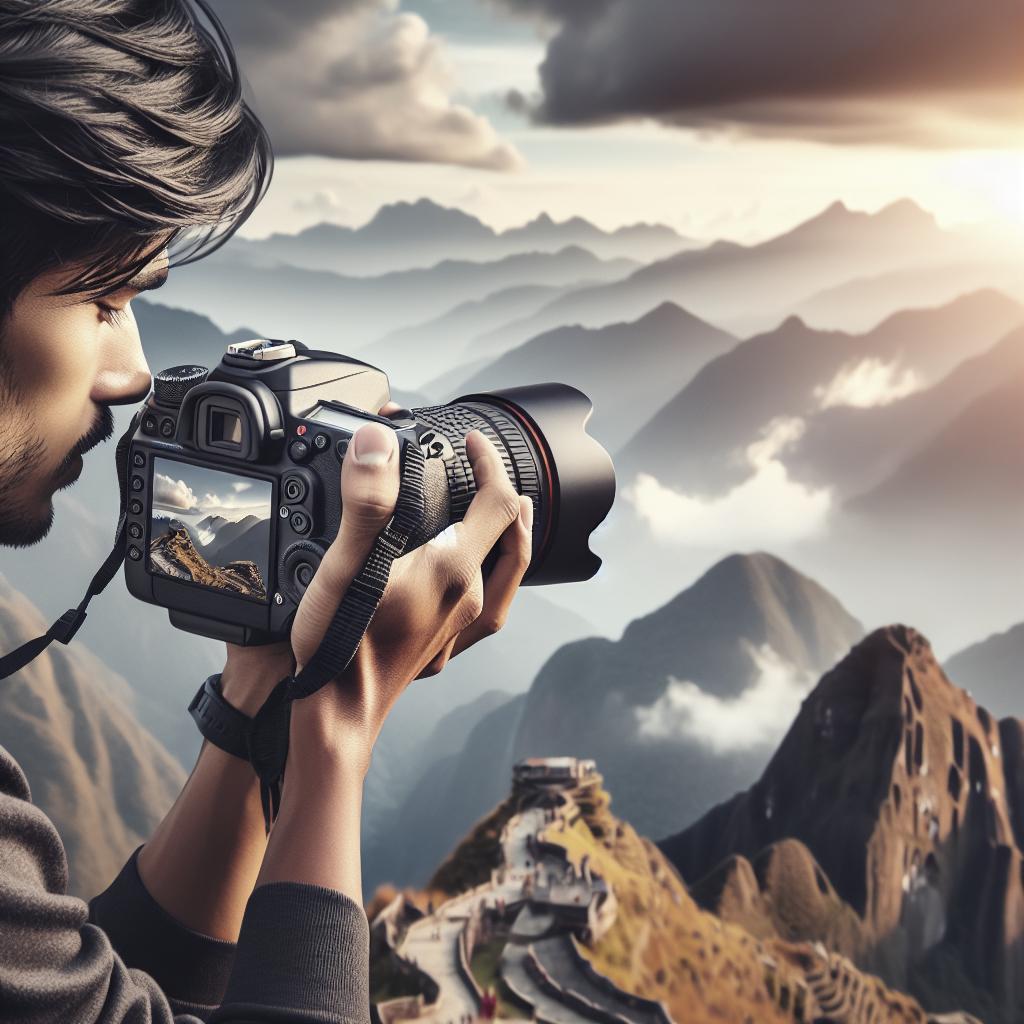
While creativity plays a crucial role in travel photography, having the right gear is equally important. Your choice of equipment can significantly impact the quality of your photos. A versatile and lightweight DSLR or mirrorless camera is often preferred for travel due to its balance between portability and image quality.
Lenses are crucial; a wide-angle lens is perfect for capturing vast landscapes, while a prime lens excels in low-light situations and for portraits. Don’t forget a sturdy tripod, which is indispensable for low-light shooting, long exposures, and achieving sharp results. Additionally, carrying extra batteries, memory cards, and lens cleaning kits ensures you’re well-prepared for any situation.
Emerging technologies, such as drones, can offer unique aerial perspectives that redefine your travel portfolio. Lightweight accessories, such as a good camera strap and a weatherproof camera bag, add comfort and protection, allowing you to focus on your adventures and creativity instead of worrying about gear mishaps.
Future Prospects
| Aspect | Key Insights |
|---|---|
| Light and Color | Understand weather, light direction, and color theory to enhance mood and depth in photos. |
| Framing / Composition | Focus on the subject, use compositional techniques, and appreciate negative space for engaging images. |
| Gear Essentials | Select versatile cameras, suitable lenses, and crucial accessories, including emerging tech like drones for creativity. |
“`