“`html
Preparing for a Backpacking Adventure
Embarking on a backpacking adventure offers a thrilling way to explore the natural world and challenge yourself both physically and mentally. Planning and preparation are key to ensuring not only a successful trip but also a safe and enjoyable one. This guide will walk through essential steps to prepare for a backpacking trip, starting with initial considerations and destination choices, to selecting the right equipment and safety tips. Whether you’re a seasoned hiker or a beginner, these strategies will equip you with the knowledge to make the most out of your backpacking journey and create memories that will last a lifetime.
Baby Steps
Starting small is crucial when preparing for a backpacking adventure. If this is your first time or you’re still getting comfortable with long hikes, taking baby steps will enhance your confidence and readiness. Begin with short hikes close to home. These initial experiences allow you to get accustomed to carrying a backpack and managing your pace over varied terrains.
Consider gradually increasing the distance and difficulty of your hikes to build endurance. Always pay attention to how your body reacts to different conditions and terrains. Starting with easy trails allows you to focus on the fundamentals of backpacking without overwhelming yourself.
Figure out where you want to go
Destination selection plays a vital role in your backpacking trip. Consider factors such as distance, terrain, climate, and the kind of experience you seek—be it a rugged mountain trek or a serene forest path. Research potential destinations that match your skill level and interests.
Make use of online resources, outdoor magazines, and trail community forums to gather insights from fellow hikers. Evaluating images and reading trail reviews can provide a clearer understanding of the potential challenges and landscapes you’ll encounter, helping you make an informed decision.
Pick a familiar trail, somewhere you’ve been before
Choosing a trail you’ve traversed before can offer several advantages, especially if you’re still gaining confidence in backpacking. Familiar terrain means you’re likely aware of the challenges and landmarks, reducing the risk of unexpected surprises.
Revisiting a known location allows you to gauge improvements in your skills and endurance over time. It also affords the opportunity to explore new routes branching off from your initial trail, gradually increasing your comfort level with the wilderness.
Create a route using either a paper map or a GPS app system like the Gaia GPS
Carefully planning your route is crucial for a successful backpacking journey. Whether you choose the traditional method of using a paper map or the convenience of a GPS app like Gaia GPS, having a detailed route plotted out is essential. Assess your starting point, key landmarks, water sources, and campsite areas.
Technology can significantly enhance your planning and execution. GPS apps offer real-time tracking, elevation statistics, and detailed topographical data. Ensure you’re comfortable using the technology and familiar with the geographical area prior to setting out.
Choose a fairly popular, well-marked, regularly maintained, and easy to follow trail
For those still refining their backpacking skills, choosing a well-traveled trail can provide additional reassurance. Popular trails often offer clear path markings, regular maintenance, and occasionally other hikers, which can be vital for safety.
Along these trails, you’ll also find amenities such as rest areas or ranger stations that cater to the needs of less-experienced hikers. Following such a trail minimizes the risk of losing your way and boosts your confidence to tackle more demanding adventures in the future.
Keep it Short
For beginners, short backpacking trips, typically spanning over a weekend, are ideal for testing gear and understanding personal limitations without being away from home for extended periods. A shorter trip allows for flexibility if plans need to change due to unforeseen circumstances.
Gradually increasing the length of your trips as you gain more experience will enhance your endurance and familiarity with longer stays in the wild. Short trips are a stress-free way to enjoy the outdoors and learn practical skills in real-time.
Know your limits
Understanding your physical and mental limits is crucial for safe backpacking. Assess your fitness level honestly and set realistic goals. Remember, backpacking isn’t just about the arrival but the journey itself, so prioritize safety and enjoyment over overly ambitious objectives.
Monitor your physical response continuously; listen to your body and be ready to adjust your plans if fatigue or discomfort arises. It’s essential to balance adventure with self-care to prevent injury or setbacks.
Build Your Trip Itinerary
An itinerary is your roadmap to a successful trip. Start by noting the dates, expected daily locations, and estimated times for each milestone. Include contingencies for rest days and breakdown provisions in case some legs of your route take longer than expected.
An itinerary assists not only in personal planning but also ensures that someone back home is aware of your whereabouts should circumstances change, providing an extra layer of safety.
Leave your trip itinerary with someone at home whom you trust
Before heading out, share your itinerary, along with your expected return date, with a responsible person at home. This precaution provides peace of mind knowing that there’s a plan in place for emergencies.
Having this backup will ensure that if you run into trouble or fail to check in by your anticipated return, help will be on the way. This small step can make a significant difference in ensuring your adventure is as safe as it is memorable.
Gear
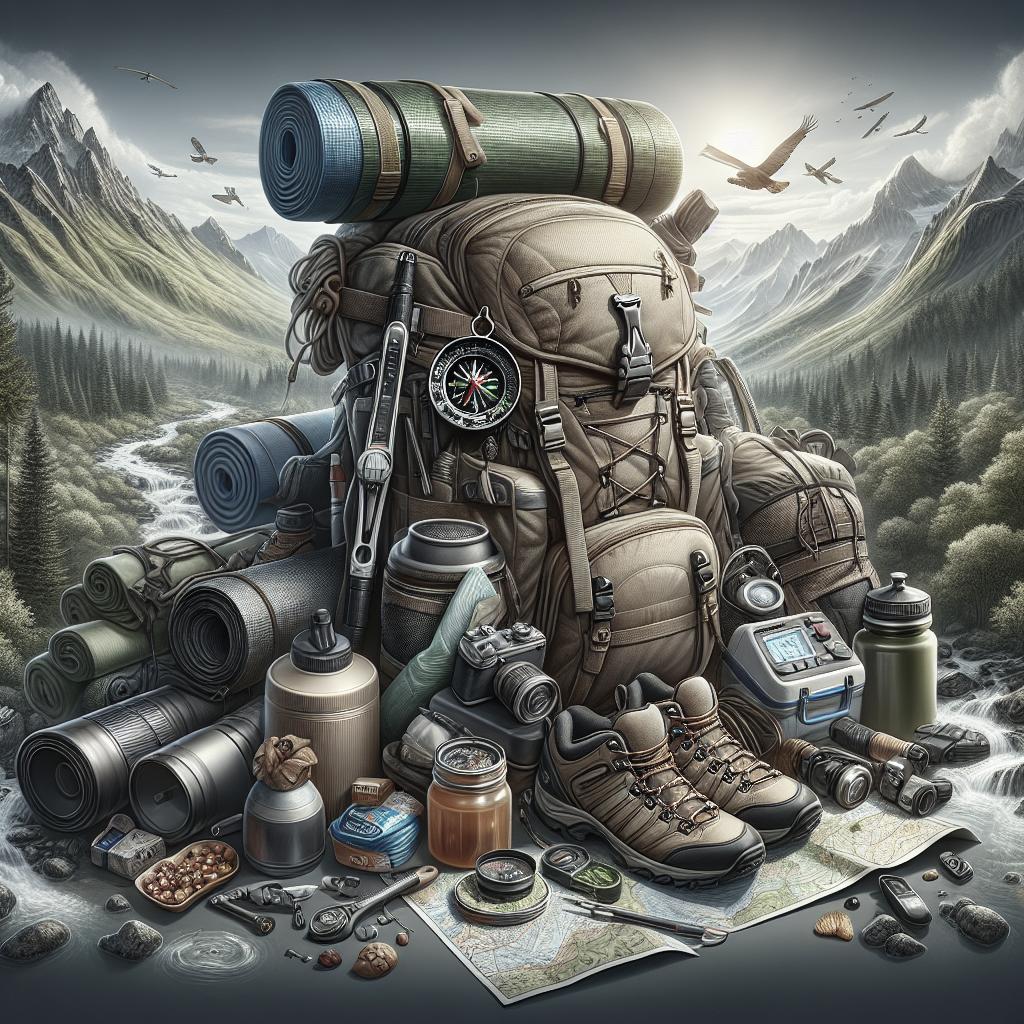
Proper gear selection is pivotal for comfort and survival in the elements. Invest in essentials like a durable backpack, water filtration system, and weather-appropriate clothing. Ensure your footwear is broken in to prevent discomfort or injury during the hike.
Compile a comprehensive gear checklist including shelter, nutrition, first-aid supplies, and navigation tools. Testing your gear on shorter hikes is crucial for identifying and addressing potential issues.
Safety Tips When It Comes To Gear
Safety and gear go hand in hand. Make sure to check the weather forecast and trail conditions regularly before departing. Equip yourself with versatile clothing that can adapt to changing weather.
Always pack a first-aid kit, learn how to use it, and carry extra food and water. Practice using your gear before your trip to become proficient with each item, as these skills can be critical in emergency situations.
Leave a Reply Cancel reply
Your feedback and stories about your backpacking experiences are invaluable to the community. Feel free to leave a comment or suggestion based on your own adventures or questions about preparation.
Lessons Learned
| Aspect | Key Points |
|---|---|
| Starting Small | Begin with short, local hikes, progressively increase difficulty. |
| Choosing Trail | Opt for familiar, well-marked, popular trails to minimize risks. |
| Planning | Use maps or GPS, inform someone at home, and have a flexible itinerary. |
| Gear and Safety | Ensure proper gear, learn its use, and prepare for climatic variations. |
“`