“`html
Cultural Faux Pas to Avoid When Traveling
Embarking on international adventures often brings about a mix of excitement and apprehension, especially when it comes to cultural nuances. Understanding and respecting local customs is crucial for a smooth travel experience. This blog post delves into some common cultural faux pas travelers might unknowingly commit across different countries. From the bustling streets of Amsterdam to the vibrant cultures of Asia, get acquainted with various traditions regarding photography, gestures, dining etiquette, and more. By keeping these tips in mind, travelers can foster positive interactions, deepen their understanding of global cultures, and enjoy more fulfilling journeys.
Cultural Faux Pas around the world: Photos in the red-light district in The Netherlands
The red-light district of Amsterdam is a famous yet sensitive area where many travelers may inadvertently cross cultural boundaries. While the area is known globally for its unique cultural norms, taking photographs there is considered both disrespectful and intrusive. Visitors are often attracted to the vibrant nightlife and window displays, but it’s crucial to remember that photographing sex workers or individuals in the area is a strict no-no. Not only is it a violation of privacy, but it can also lead to confrontations and legal repercussions.
The cultural implication here goes beyond merely breaking a rule; it reflects a broader attitude towards respecting human dignity. Tourists are encouraged to embrace the experience without capturing it on their cameras. Instead, savor the sights, engage with locals, and absorb the atmosphere of this historic district while obeying its nuanced codes of conduct. Failure to do so not only disrupts the peace but may also lead to expulsion from the area, damaging goodwill with local citizens.
10+ Times Kids Unintentionally Embarrassed Their Parents With Mortifying Revelations
Travelling with children can add layers of joy, and if not careful, moments of unintended embarrassment due to their innocence and honesty. Young travelers tend to speak their minds, sometimes revealing family secrets or making comments that are culturally insensitive in the host country. While these occurrences often spark laughter, they can also cause awkward situations that might offend locals or reflect poorly on the family.
To navigate these moments, parents should prepare their children by gently educating them about the countries they visit, emphasizing differences in culture and language. This proactive approach not only enhances the travel experience but also contributes to children developing a greater understanding and respect for diverse cultures. So, while genuine mishaps are inevitable, with a little care, families can turn these revelations into learning experiences.
Removing shoes
The act of removing shoes indoors is steeped in tradition in many cultures worldwide, notably in Asia and parts of Scandinavia. For first-time travelers, the custom can come as a surprise. In countries like Japan and Turkey, it’s common practice to remove shoes before entering homes, temples, and even some schools. Failure to comply with this etiquette can be seen as disrespectful and unhygienic.
To avoid this faux pas, travelers should be observant of patterns when entering buildings. If unsure, checking for shoe racks at the entrance or following the lead of hosts can be effective strategies. Carrying socks or indoor slippers is an advisable tip for travelers to avoid awkward barefoot experiences. Respecting these traditions not only shows appreciation of the culture but also adds to the personal authenticity of your travel experiences.
Thumbs-up
While in many Western cultures, the thumbs-up gesture is a positive sign, denoting approval or agreement, it takes on a completely different meaning in other parts of the world. In some Middle Eastern and Asian countries, this seemingly harmless gesture is considered offensive and akin to giving someone the middle finger. The potential for misunderstanding makes it essential for travelers to be cautious when using hand gestures abroad.
Understanding the dual meanings of gestures allows travelers to communicate more effectively and avoid inadvertently offending others. In today’s global culture, where gestures are picked up and misinterpreted with ease, it’s always wise to default to the basic principles of verbal communication. Opt for smiling or nodding instead, or simply familiarize yourself with the acceptable gestures of your destination before you visit.
Cheers!
The custom of toasting is a universal practice with varying traditions across the globe. In countries like Germany or Hungary, the act of clinking glasses comes with its own set of rules. For instance, in Hungary, it’s considered bad luck to clink beer glasses, a tradition with historical significance dating back to the 1848 rebellions against Austrian forces. Meanwhile, in Japan, it’s common to pour drinks for others rather than yourself, showcasing thoughtfulness and respect.
To navigate this, travelers should always observe their hosts and mirror their actions during drinking rituals. It’s a sign of respect to adhere to these rituals and see them as cultural lessons rather than arbitrary rules. Educating yourself on specific practices will not only make toasting enjoyable but also open doors to great conversations and deeper cultural understanding.
Eating with your hands
While dining etiquette varies widely, eating with hands is a practice that holds significance in several cultures, including India, Africa, and the Middle East. In these regions, food is often consumed using hands as it’s filled with culinary traditions and cultural importance. However, the rules of hand-eating can be intricate; using the right hand is usually preferred, as the left hand is considered unclean in some cultures.
For travelers eager to participate in local traditions, it’s important to approach such meals with cultural sensitivity. Before diving in, observe locals or ask for guidance to ensure your practices align with theirs. This openness shows respect and willingness to immerse in their world, turning mealtime into a memorable cultural exchange. Additionally, maintaining hygiene by washing hands thoroughly before and after meals is both respectful and practical.
Touching
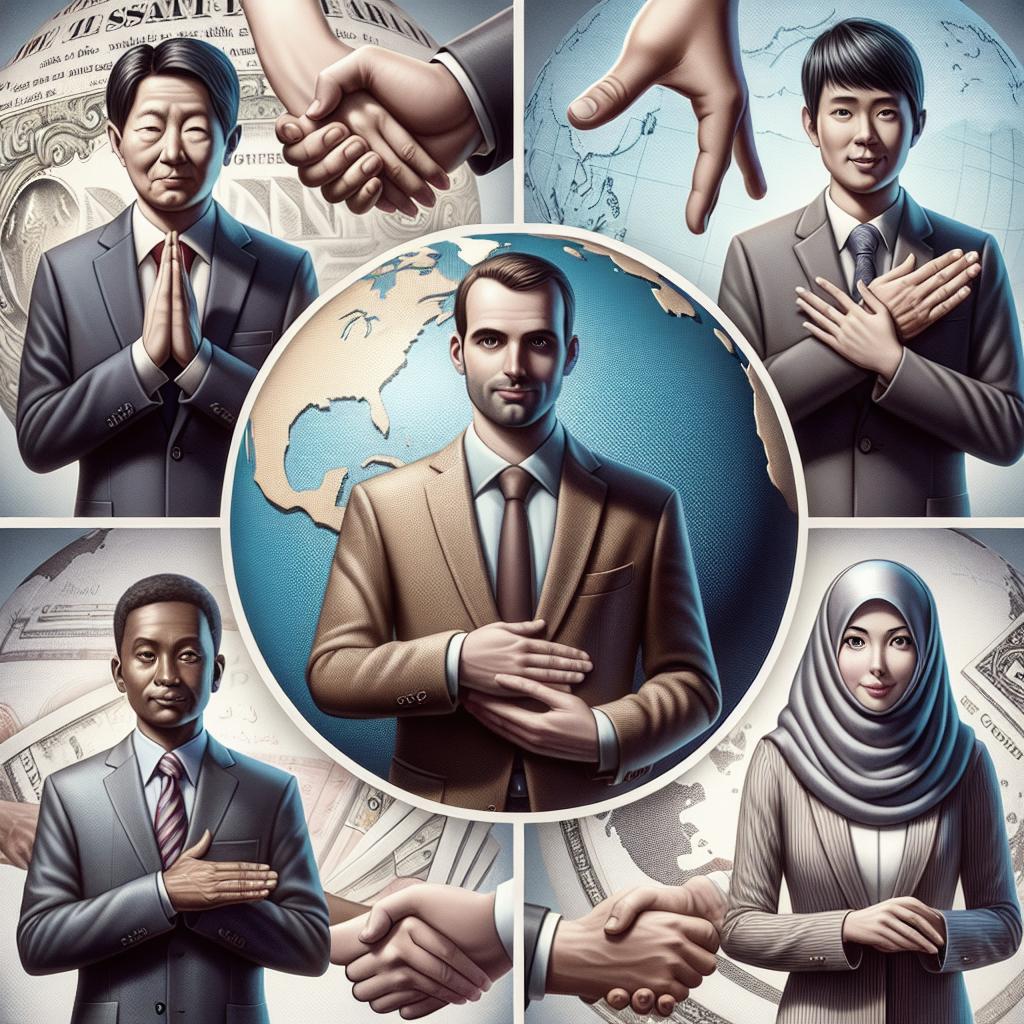
Touching, such as handshakes, hugs, or pats, is perceived differently across cultures. In countries like Japan or Korea, bowing is more common than shaking hands, while in parts of Europe and Latin America, a warm hug or double-kiss on the cheek is a standard greeting. Misinterpreting these social cues can lead to awkward situations or be seen as invasive.
When visiting a new country, take cues from locals regarding personal space and customary greetings. By doing so, travelers can show respect for local customs and avoid faux pas that might result in discomfort. Building an awareness of these differences enhances communication and makes interactions far more meaningful during travels.
Drinking coffee
The culture surrounding coffee varies significantly across the globe. In Italy, for example, ordering a cappuccino after 11 am is frowned upon, as Italians reserve their milk-based coffee drinks for the mornings. Meanwhile, in parts of the Middle East, coffee is served ceremoniously, often accompanied by sweets and lively conversation.
Embracing these coffee customs involves adopting an observational approach. Appreciating how coffee is uniquely integrated into daily life and social rituals offers travelers rich insights into cultural values. Whether it’s sharing espresso at a bustling Italian café or partaking in a leisurely Middle Eastern coffee ritual, participating in these moments enables greater cultural appreciation and connection.
Summary of Main Points
| Cultural Aspect | Faux Pas to Avoid | Advice |
|---|---|---|
| Photos in the red-light district in The Netherlands |
Taking photographs | Respect privacy; absorb the atmosphere without a camera |
| Parental challenges when traveling with kids |
Embarrassing revelations | Educate kids about cultural differences in advance |
| Removing shoes | Not removing shoes in certain places | Observe local customs; carry socks/slippers |
| Thumbs-up gesture | Misinterpretation in some regions | Use verbal communication or familiarize with local gestures |
| Cheers | Improper toasting rituals | Mirror host’s actions and learn local toasting customs |
| Eating with hands | Using the wrong hand | Observe or seek guidance; respect hand hygiene |
| Touching | Misunderstanding greeting gestures | Follow local cues; respect personal space |
| Drinking coffee | Ignorance of coffee customs | Observe local practices; partake in customary rituals |
“`