“`html
Environmental Impacts of Tourism
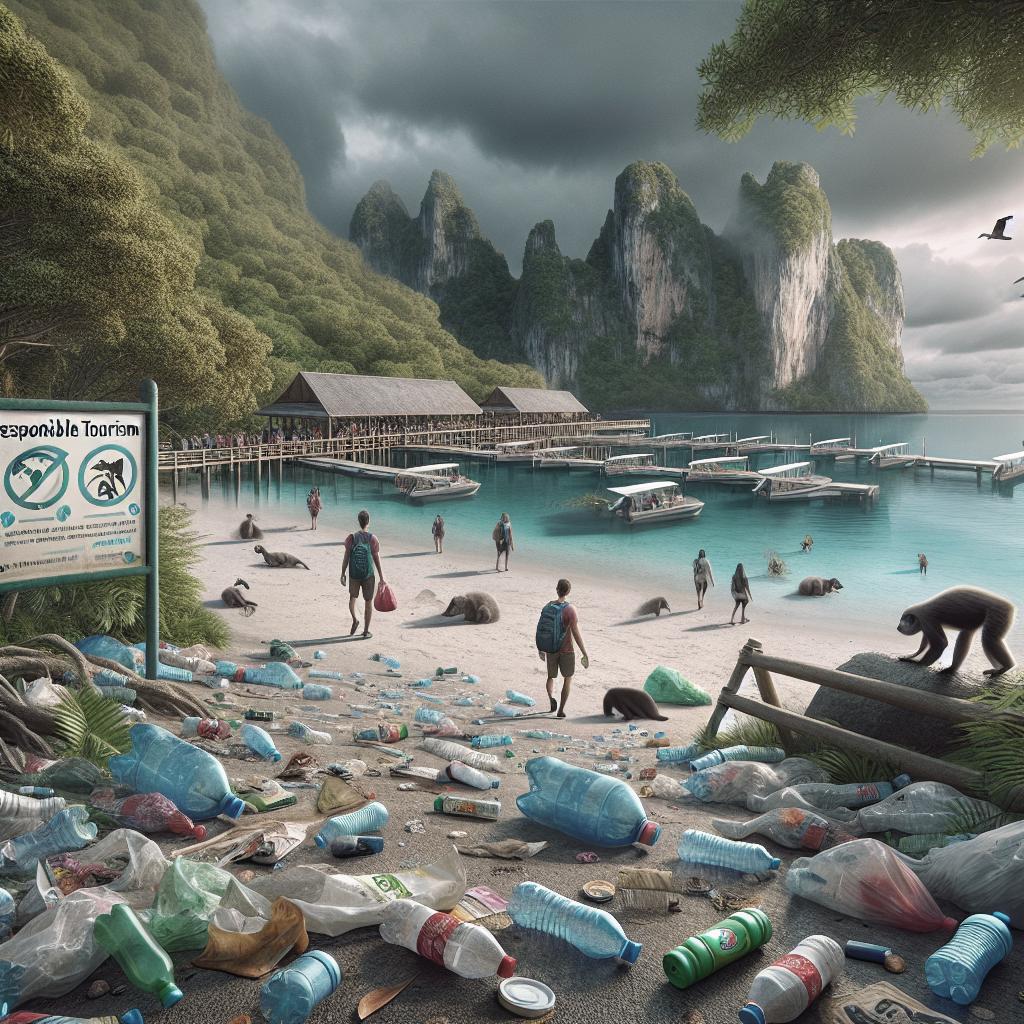
Tourism is a double-edged sword; while it’s a significant economic contributor globally, it also brings substantial environmental challenges. Across the world, from pristine coastlines to ancient cities, the influx of tourists has led to both remarkable development and concerning degradation. In this article, we examine the nuanced environmental impacts of tourism, addressing key issues and their importance, and exploring viable solutions while highlighting potential areas for further information and understanding. This understanding is crucial for crafting sustainable tourism strategies that balance enjoyment with conservation.
Where Should I Live in the US with Climate Change?
What is the issue?
Tourism, albeit beneficial economically, is responsible for a myriad of environmental issues. These include resource depletion, increased pollution, habitat destruction, and biodiversity loss. Frequently overlooked, these impacts often escape regulatory frameworks aimed at preserving destinations. With an annual global increase in tourist numbers, these issues are rapidly exacerbating, threatening to tarnish once pristine natural attractions.
Moreover, the carbon footprint generated by travel, particularly air travel, significantly contributes to global warming. Transport-related emissions are now a major component of tourism’s environmental impact. As several popular destinations continue to prioritize economic gain over ecological balance, the ecological integrity of these locations is compromised, highlighting the urgency of addressing these issues.
Why is this important?
The importance of understanding tourism’s environmental impacts lies in mitigating potential long-term damage. Many touristic sites, especially those centered around natural beauty and biodiversity, are under threat from unsustainable tourism practices. Maintaining the ecological balance is crucial not only for preserving the inherent value of these sites but also for ensuring their continued attraction to tourists and, by extension, their economic viability.
Additionally, there’s growing awareness and demand among travelers for sustainable tourism options. By recognizing the environmental issues associated with tourism, industry stakeholders can adapt, offering more sustainable choices that align with this shifting demand. In turn, this can lead to healthier ecosystems and improved visitor experiences, creating a virtuous cycle of sustainability.
What can be done?
Addressing these environmental impacts necessitates a multifaceted approach. Governments, the tourism industry, and travelers themselves all possess roles in promoting sustainable tourism practices. Legislation aimed at limiting the impact of tourism through licensing, capacity regulations, and preservation zones can significantly mitigate harm.
In parallel, the adoption of green technologies and practices by the tourism industry, such as renewable energy use, waste reduction, and sustainable sourcing, can greatly lessen operational impacts. On an individual level, tourists can make a difference by practicing responsible travel habits, such as choosing eco-friendly accommodations, minimizing waste, and respecting local wildlife.
Where can I get more information?
If you’re interested in learning more about sustainable tourism practices, there are numerous resources available online. Websites such as the Global Sustainable Tourism Council offer guidelines and certifications for businesses and destinations committed to sustainable travel. Additionally, publications like the Journal of Sustainable Tourism provide academic insights into ongoing research in this field.
Local and international NGOs often have specialized reports on the intersection of tourism and environmental conservation that offer in-depth analyses and case studies. Engaging with these resources can provide a deeper understanding of the complexities of tourism’s environmental impact and the collaborative efforts required to address them.
Summary of main points
| Issue | Details |
|---|---|
| Environmental Problems | Resource depletion, pollution, habitat destruction, and carbon emissions due to increased tourism activities. |
| Significance | Protecting ecological integrity is crucial for the sustainability of both natural sites and the tourism economy. |
| Possible Solutions | Involves government policy, industry practices, and individual responsibility to mitigate tourism’s environmental impact. |
| Further Information | Resources include organizations like the Global Sustainable Tourism Council and academic journals for continued learning. |
“`